Welcome to

Aldabra Atoll is one of the world’s most extraordinary natural places. Remote, vast and largely untouched by human activity, it represents one of the last remaining examples of a near-pristine coral atoll ecosystem. Located more than 1,000 kilometres southwest of Mahé, Aldabra’s isolation has allowed natural ecological processes to continue with minimal disturbance for thousands of years.

Often described as a living laboratory, Aldabra offers invaluable insight into evolution, climate resilience and the functioning of natural ecosystems. Its exceptional ecological integrity, combined with its global scientific importance, led to its inscription as a UNESCO World Heritage Site in 1982.

The Seychelles Islands Foundation (SIF) is entrusted with the stewardship of Aldabra, ensuring that this remarkable atoll remains protected, well-managed and scientifically understood for the benefit of Seychelles and the world.

World Heritage

Aldabra Atoll was inscribed as a natural UNESCO World Heritage Site in 1982 in recognition of its outstanding universal value. The site meets several UNESCO natural criteria, reflecting its exceptional biodiversity, geological features and ecological processes.

CRITERION VII: Superlative Natural Phenomena or Beauty

This means the site is exceptionally beautiful or visually striking.

For Aldabra Atoll:

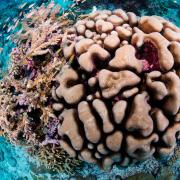
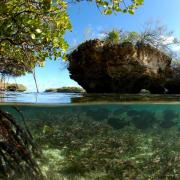
The vast turquoise lagoon, dramatic limestone islands, extensive reef flats and abundant wildlife create one of the most striking and untouched natural landscapes in the world.

CRITERION VIII: Earth’s Geological and Evolutionary History

The site shows unique geology or illustrates key stages in evolution.

For Aldabra Atoll:

It is one of the world’s largest raised coral atolls and provides clear evidence of coral reef formation, sea-level change and geological processes over millions of years.

CRITERION IX: Ongoing Biological and Ecological Processes

The site demonstrates natural ecological functions still happening today.

For Aldabra Atoll:

Ecological interactions such as grazing by giant tortoises, natural population regulation, nutrient cycling and predator–prey relationships continue with minimal human disturbance.

CRITERION X: Biodiversity and Threatened Species

The site contains exceptional biodiversity and hosts rare or endangered species.

For Aldabra Atoll:

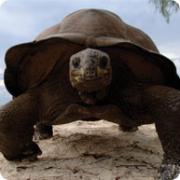
It is the global stronghold of the Aldabra giant tortoise and supports important populations of seabirds, marine megafauna, endemic plants and reptiles found nowhere else.

A “criterion” is one of the official UNESCO standards used to evaluate World Heritage Sites. Natural sites like Aldabra must meet at least one natural criterion (vii to x) to qualify for inscription. Aldabra meets four, which demonstrates its exceptional ecological, evolutionary and biodiversity value.

Access and Visiting Aldabra

Aldabra is one of the most strictly protected natural sites in the world. Due to its ecological sensitivity and remote location, access is highly regulated.

Key Access Information

• Visitors require prior authorisation
• Only approved vessels may land
• Visitor numbers are limited
• Strict biosecurity procedures apply
• All activities must follow conservation guidelines

These measures ensure that Aldabra remains one of the planet’s most intact natural ecosystems.

Fees payable

All visitors are required to pay daily impact fees for visiting Aldabra. The current impact fee is USD 250/day per passenger and crew. The tourism operator will usually arrange for this fee to be paid as part of the package costs but you are advised to check this. For professional photographers and journalists, an additional one-off photography/filming fee will be applied for still photography and video photography, kindly reach out to us for more information on fees.

People who would like to visit need to contact one of the operators who include Aldabra on their itinerary. Some of these operators are:

The operators will arrange your transport to Aldabra either by plane to Assumption or directly on a vessel.


WHY ALDABRA MATTERS?

Aldabra Atoll represents a rare opportunity to understand nature as it once functioned across much of the planet. It is a benchmark for conservation success, a refuge for biodiversity and a symbol of Seychelles’ commitment to protecting natural heritage.

Through careful stewardship, science-based management and international cooperation, SIF ensures that Aldabra continues to thrive as a global conservation treasure.

Getting There

null

BY PLANE

Aldabra is accessible from the main Seychelles Island of Mahé by charter flight to Assumption Island, roughly a 45 km boat ride from Aldabra, and then chartering a boat for transfer to Aldabra (see details below).  SIF cannot provide boat connections between Assumption and Aldabra.  Flights to Assumption are not scheduled flights and details on chartering a flight must be obtained directly from the Islands Development Company (IDC) who manage Assumption Island and are the sole operator for this route.

null

BY BOAT

Visitors can charter a boat from Mahé to Aldabra or arrive on their own vessel. The journey from Mahé usually takes several days. Full details on the commercial vessels that are sailing to Aldabra can be obtained from the Seychelles Tourism Board (STB).  Due to the current activities of pirates operating off the East African coast, the Seychelles Ministry of Internal Affairs and Coast Guard have placed strict restrictions on the movements of commercial hire craft operating in the outer islands, so you or your hire company will have to seek permission to provide the required service which includes a security detail. It is recommended that you also seek updated travel advice on the piracy situation from your country’s embassy or High Commission before planning any boat-based travel in Seychelles waters. SIF is not in a position to advise on the piracy situation..

Key Species & Habitats

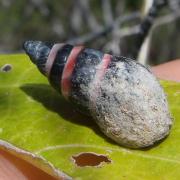
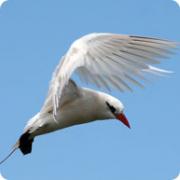
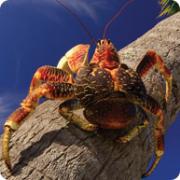
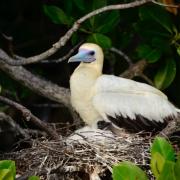
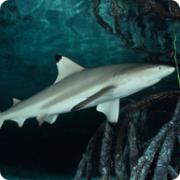
Aldabra Atoll supports one of the most intact assemblages of island species in the world. Its isolation and minimal human disturbance have allowed wildlife populations to evolve and function naturally over thousands of years.

History

Aldabra’s remoteness helped shield it from development, but its global importance was formally recognised in the late 20th century. Following its UNESCO inscription in 1982, long-term conservation management was established, and SIF assumed stewardship responsibility to ensure its protection.

Since then, Aldabra has become one of the most intensively studied coral atolls in the world, while remaining one of the least disturbed.

Threats and Challenge

The Vallée de Mai faces several conservation challenges. SIF implements long-term management strategies to address these threats.

FAQs

1. Can I visit Aldabra Atoll?

Yes, but access is strictly regulated due to Aldabra’s ecological sensitivity and remoteness. Visits typically require advance planning and formal authorisation.

2. Do I need permission to visit Aldabra?

Yes. Visitors must obtain prior approval and meet strict conditions to minimise environmental impact. In most cases, only approved vessels and itineraries are allowed.

3. Why is Aldabra so restricted?

Because Aldabra is one of the most intact natural ecosystems in the world. Limiting access helps protect wildlife, prevent habitat damage, and reduce the risk of invasive species being introduced.

4. How do I apply to visit Aldabra?

Applications are normally handled through an approved operator or vessel planning process. For formal guidance, visitors should contact SIF directly using the website contact page.

5. What is the best time of year to visit?

Aldabra can be visited seasonally depending on sea conditions and conservation requirements. The best period varies by weather patterns and approved itineraries, so planning should be done well in advance.

6. How do visitors get to Aldabra?

Aldabra is more than 1,000 km from Mahé and is typically reached by expedition vessel. There are no commercial day trips and no standard public transport routes.

7. Are there hotels or tourist facilities on Aldabra?

No. There are no hotels or public tourism facilities. Aldabra is a protected site with limited infrastructure focused on conservation and research operations.

8. What should I bring if I am approved to visit?

Bring appropriate clothing for hot, humid conditions, sturdy footwear, sun protection, insect repellent, personal medication, and protective dry bags for equipment. Specific requirements may be provided as part of the approval process.

9. What wildlife can I expect to see?

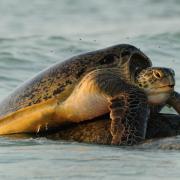
Aldabra is famous for the Aldabra giant tortoise and also supports seabird colonies, marine turtles, reef fish, sharks and rays, mangroves, and many endemic species.

10. Can I touch or feed the tortoises?

No. Wildlife must not be handled or fed. Visitors must observe animals respectfully and follow all site rules to prevent stress, injury, or behavioural change.

11. Can I use a drone on Aldabra?

In most cases, no. Drone use is typically restricted or prohibited due to disturbance risks to wildlife and the need to protect sensitive habitats. Any filming or drone activity would require explicit permission.

12. Can I fish at Aldabra?

Fishing rules are strict and depend on the site’s conservation zoning and the type of permit held. Visitors should assume fishing is restricted unless explicitly approved.

13. What are the biggest threats to Aldabra?

Key risks include climate change impacts (sea-level rise, coral bleaching), the introduction of invasive species, and accidental environmental damage from human activity.

14. Why does the Vallée de Mai ticket help fund Aldabra?

Aldabra is extremely costly to manage due to its distance and logistics. Conservation work relies heavily on sustainable funding, and revenues from Vallée de Mai help support Aldabra’s protection and research operations.

15. How can I support Aldabra conservation if I cannot visit?

You can support SIF through donations, partnerships, conservation funding initiatives, or by sharing verified information and promoting responsible conservation awareness.